🌿

What does a mental health
specialist actually do?

Words you have never heard before, sorted out here.
Check whatever you are wondering about, at your own pace.

💬

Q&A — check whatever you are wondering about

Someone who meets regularly with a person carrying a worry and looks for the way forward together, through talking.

Just as a doctor treats the body, a mental health specialist helps you face your feelings and what troubles your mind. They do not prescribe medicine. Talking and listening are the work itself.

🗝️ In one line
"Someone who listens carefully to how you feel, and thinks it through with you."

Anyone struggling with how they feel can come. For example:

  • "I have felt vaguely anxious and unsettled for a long time."
  • "Since the diagnosis I am too frightened to sleep."
  • "Things are not going well at school or at work."
  • "There is something I cannot tell anyone. I just want it heard."
  • "I do not even know what it is that hurts."

You do not need to wonder whether your worry is "worth" bringing. Big or small, all of it matters.

Family and friends matter too. But there are things you do not say, because you do not want to worry them, or because you fear the relationship might change.

When you talk to a specialist…

✅ Nothing leaves the room (strict confidentiality)
✅ You are not judged (never "you are worried about that?")
✅ No relationship is at risk
✅ You can say what is true, safely

Usually 50 to 60 minutes. It tends to go like this:

1
You say how you are today

It starts with "how have things been?" It is fine if it comes out clumsily.

2
You sort it out together

The specialist listens closely and helps you find the shape of what you feel.

3
It gets a little lighter

Simply speaking can lighten things. Nothing has to be solved.

All Supra Mentor sessions are online. You can join from home.

No, they cannot!

They do spend a lot of time getting to know you, so now and then you may think "how did they know?" That is not a special power. It is years of experience, and having listened to you properly.

It varies completely. Some feel lighter after one or two sessions; others notice change slowly over months.

What matters is not solving it, but knowing there is somewhere you can talk.
Try just once and see.

The name of the qualification differs by country, but everywhere it requires postgraduate-level training and supervised practice.

🇯🇵 In Japan (Clinical Psychologist / Certified Public Psychologist)

Study psychology at university (4 years) Continue at postgraduate level (2+ years) Pass the qualifying examination Build experience in practice

Supra Mentor works with practitioners qualified in Japan, in English-speaking countries and elsewhere.

💭

We asked someone who does this work

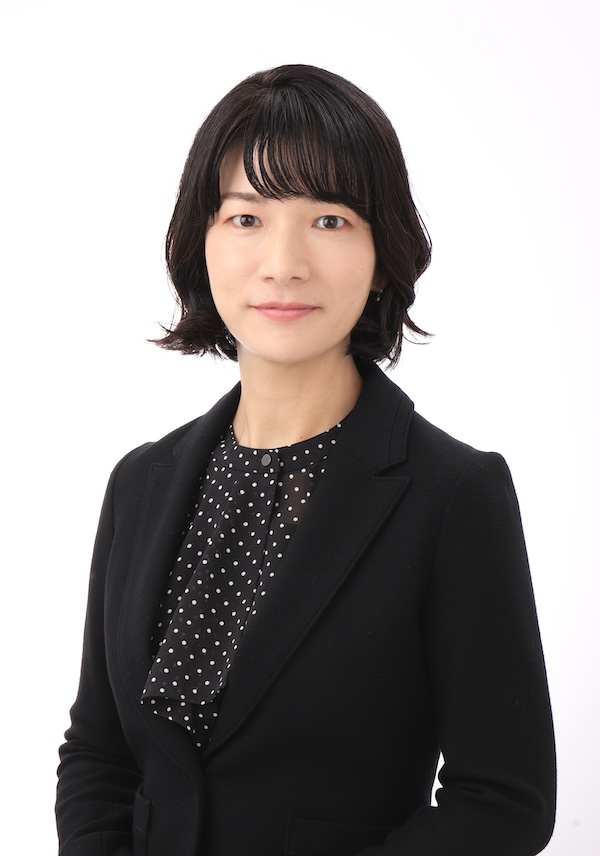
下田幸代
"What makes it worth it is seeing a smile come back to someone I have walked with for a long time. Being close to that change, as a companion on their life, has changed my own life too."
— Yukiyo Shimoda (Psychologist, Supra Mentor)
📋

The things people often bring

😶"Relationships are not working. I start to think something is wrong with me."
🏥"Since I got ill, the fear and anxiety will not leave my head."
🌙"I cannot sleep at night, and I do not even know what hurts."
💼"Going to work is hard, but I cannot explain why."
🤐"There is something I cannot tell anyone. I just want it heard."

Would you like to meet one of our specialists?
🌱

What does a Cancer Journey
Coach actually do?

The word "coaching" may not be familiar at all.
Check whatever you are wondering about, at your own pace.

💬

Q&A — check whatever you are wondering about

A specialist who walks beside people who have been through cancer or another serious illness as they work out how to live from here, as they are now.

It is not about giving advice or right answers. Through conversation, you find together the strength and values that are already yours. That is the coach's role.

🗝️ In one line
"Someone who searches with you for the answers already inside you."

A mental health specialist aims to heal emotional pain and support recovery, helping you face worries and symptoms from a base of expertise.

A coach is not aiming at recovery but at
"knowing yourself deeply and building a self that holds steady whatever happens".

Rather than giving answers, they draw out the ones already in you. Neither is above the other; the purposes differ. Sometimes we suggest using both.

A peer supporter shares their own experience of illness and supports you through that shared understanding. They do talk about themselves during the session.

A coach does not talk about themselves during the session. They give your story their full attention and, using tools developed by the Cancer Journey Institute, help your own insight deepen.

A standard session is 60 minutes (the introductory gift session is 45). It tends to go like this:

1
You put into words how you feel now

This is not a place where you have to try hard to speak. It is fine if the words do not come.

2
You look at what lies beneath

With the coach, and with the dedicated tools, your insight deepens.

3
A small piece of homework

At the end you decide together on something you can try within 24 to 48 hours.

Coaching is said to work most between sessions rather than during them. If there are days when nothing happens, that is fine. You adjust the next piece together.

Right after diagnosis, during treatment, after treatment — any point. It is asked for most by people in survivorship, who say: treatment is over, and I do not know how to live from here.

Not only patients: caregivers supporting someone they love also use it as time to face themselves.

There is no rule. Some come once and say their thoughts are in order; others continue for months at their own pace.

Coaching is said to change most between sessions. You try in daily life what you talked about, and bring what you noticed to the next session. That back and forth builds up.

Whether to continue is yours to decide, every time.
Start with one session and see.

That is fine. "I have not sorted out what I want to say", "I do not even know what I want to ask" — most sessions start exactly there.

The coach asks questions to make it easier for you. If one you cannot answer comes up, "I do not know" is enough. Silence counts as thinking, and they wait with you.

Nothing to prepare.
"I cannot say it well, but something is weighing on me" — that is enough.

You take the specialist training developed by the Cancer Journey Institute (USA) and pass its examination. It is one of very few programmes worldwide that meets the accreditation standards of the ICF.

🌱 For a Cancer Journey Coach

Train in coaching for people affected by cancer Learn the tools for emotion, mind and spirit Pass the examination Work as a certified coach

It has more than ten years behind it in the United States and is used at medical institutions including the UCSF Brain Tumor Center. Still little known in Japan, it is widely used around the world.

💭

We asked a working coach

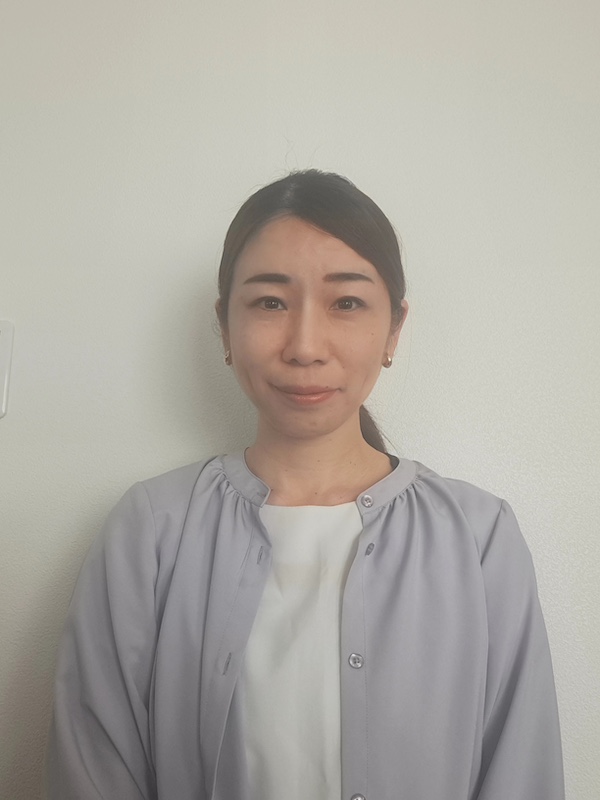
島津智子
"Coaching helps you find the answers inside you. Before the illness and after it, what matters to you is still there. I lived that myself."
— Satoko Shimazu (Cancer Journey Coach — the first and only in Japan)
📋

These are the voices we hear most

💭"Why me?" will not leave your head
🌱Treatment is over, but your feelings seem to have stayed behind
🗣️Every "stay positive" makes it a little harder to breathe
🌫️You are no longer sure what you actually feel
🔄You feel changed by the illness, and you want to understand what changed

Would you like to meet a Cancer Journey Coach?

🤝

What does a peer
supporter actually do?

"Peer" means someone alongside you. There are things only a person who has been through the same can do.

💬

Q&A — check whatever you are wondering about

Someone who has been through something similar, listening to a person now in that same place.

Unlike a doctor or a psychologist, they meet you not from above but as an equal. Sharing their own experience, the greatest thing they offer is "I know — it was like that for me too."

🗝️ In one line
"Someone who stays beside you, as a companion who walked the same road."
🌿
Psychologist (professional)

Helps with expertise and experience. Does not talk about themselves. The aim is recovery.

🤝
Peer supporter (companion)

Connects through shared experience. Talks about their own too. The aim is connection and reassurance.

There is research suggesting that combining the two helps prevent depression and anxiety.

No. Family members and caregivers are welcome too.

Those who support someone also feel alone, tired and anxious. A peer supporter is there for that wish to simply be heard.

Australian research reports that peer support within twelve weeks after treatment is most effective at preventing depression and anxiety.

But the real answer is: whenever. Right after diagnosis, during treatment, years later. The moment it feels hard is the best moment.
1
You meet online (30 minutes)

Join from anywhere. Turning your camera on is up to you.

2
You say how you feel now

You say where you are, just as it is. It is fine if it comes out clumsily.

3
You hear their experience

"That happened to me too", "here is what I did then" — lived experience becomes your next hint.

🤝 For a Supra Mentor "Peer Heart Saver"

Have lived through illness or hardship yourself Take the two-and-a-half-hour training course Complete one hour of practice Receive the Heart Saver certification

If you want your own experience to become someone else's strength, you can do this too.

💭

A word from a peer supporter

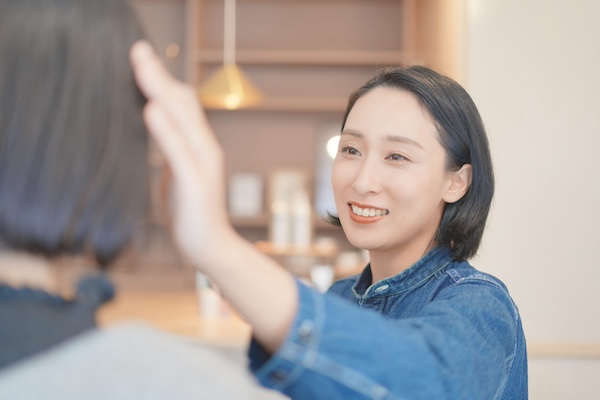
久美子
"Because I have been through it too, there are things I can only say now. What is hard to tell a professional, what you do not want to worry your family with — just let me listen to that."
— Kumiko (Peer Heart Saver, brain tumour survivor)
📋

The things people often bring

💼"Going back to work after leave makes me anxious. I want to hear from someone who has done it."
💊"I want to know what the side effects and after-effects were really like."
👨‍👩‍👧"I am caring for a family member, and it is starting to weigh on me too."
😶"I feel alone. I want to talk to someone in the same situation."
🏥"I am struggling with my doctor. I would like the view of someone who has been there."

Would you like to meet a peer supporter?

🌸

What does an organic beauty
counsellor actually do?

Not just teaching make-up. Helping you like yourself again.

💬

Q&A — check whatever you are wondering about

A specialist who sits one to one with someone troubled by their appearance and, combining beauty knowledge with counselling skills, works out the make-up and care that suit them.

Not a make-up teacher, but someone who helps you rebuild confidence through how you look.

🗝️ In one line
"Someone who stays with you until you can like what the mirror shows."

Changes in appearance from illness and treatment — hair loss, skin trouble, a change in complexion — can wound not only the body but something deep inside.

"I can look in the mirror again."
"I felt like going out."
"That felt like me."

Moments like these become the strength to look forward. Caring for how you look is real emotional care.

During and after treatment the skin is often very sensitive. Ordinary cosmetics may not suit it.

Cosmetics made from natural and organic ingredients tend to be gentler and easier on sensitive skin. The counsellor chooses safe ingredients and suggests make-up that suits you.

1
A short form beforehand

You tell us about your skin, what bothers you and how you would like to look.

2
A proper conversation (in person or online)

We listen carefully to your worries and your wishes. It is fine if you cannot put it well.

3
Make-up and care suggestions

One to one, we show you what to choose and how to use it, for your skin, your situation and your taste.

4
A recap video afterwards

You can go over what you did in the session again on video (two items).

Yes. Care for eyebrows, lashes and hair that have fallen out is one of the things people ask about most.

Together we look at how to draw brows, how to even out skin, how to choose scarves and wigs — whatever fits where you are.

Of course!

Plenty of people say "I have never worn make-up", "I used to, but I have forgotten how", "I do not know what to buy". We start from zero, together. There is nothing to be embarrassed about.

🌸 For an organic beauty counsellor

Learn the basics of beauty care Acquire counselling knowledge and skills Qualify as a make-up therapist Build experience in practice

Keeping up with trends, new techniques and new ingredients is part of the job.

💭

A word from a working counsellor

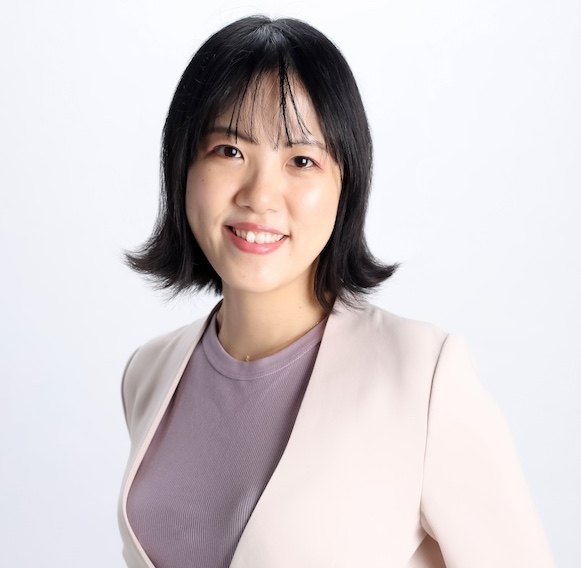
北村渚
"What I find most rewarding is when someone who had lost confidence in how she looked gains it back, and even the way she thinks and acts turns forward. Make-up can be the spark that lights you from the inside."
— Nagisa Kitamura (Organic beauty counsellor)
📋

The things people often bring

💄"My make-up has been the same for years. I want to know what suits me now."
🌿"My skin is sensitive from treatment. I do not know what I can use."
🪞"Since losing my hair, the mirror has been hard. I do not know what to do."
🤷"I was too embarrassed to ask the basics, so I never asked anyone."
"I want to go out feeling like myself again. Where do I start?"

Would you like to meet the beauty counsellor who fits you?